For Rent

Lorem ipsum dolor sit amet, consectetuer adipiscing elit.
At Duitenteller.info, we streamline financial management for businesses like yours. Our expert team is dedicated to providing personalized accounting solutions tailored to your needs. Experience peace of mind knowing your finances are in capable hands. Let's work together to achieve financial clarity and success!
Lorem ipsum dolor sit amet, consectetuer adipiscing elit. Aenean commodo ligula eget dolor.

Lorem ipsum dolor sit amet, consectetuer adipiscing elit. Aenean commodo ligula eget dolor.
Precision. Integrity. Excellence.
At Duitenteller.info, we specialize in providing top-notch accounting services that help businesses thrive. With years of experience in the industry, our team of professionals is equipped to handle all your financial needs, from bookkeeping to tax preparation. We pride ourselves on our commitment to transparency and personalized service, ensuring that you receive the best support possible.
Lorem ipsum.
Lorem ipsum dolor sitope amet, consectetur adipisicing elitip. Massumenda, dolore, cum vel modi asperiores consequatur suscipit quidem ducimus eveniet iure expedita consecteture odiogil voluptatum similique fugit voluptates atem accusamus quae quas dolorem tenetur facere tempora maiores adipisci reiciendis accusantium voluptatibus id voluptate tempore dolor harum nisi amet! Nobis, eaque. Aenean commodo ligula eget dolor. Lorem ipsum dolor sit amet, consectetuer adipiscing elit leget odiogil voluptatum similique fugit voluptates dolor. Libero assumenda, dolore, cum vel modi asperiores consequatur.
Lorem ipsum dolor sitope amet, consectetur adipisicing elitip. Massumenda, dolore, cum vel modi asperiores consequatur suscipit quidem ducimus eveniet iure expedita consecteture odiogil voluptatum similique fugit voluptates atem accusamus quae quas dolorem tenetur facere tempora maiores adipisci reiciendis accusantium voluptatibus id voluptate tempore dolor harum nisi amet! Nobis, eaque. Aenean commodo ligula eget dolor. Lorem ipsum dolor sit amet, consectetuer adipiscing elit leget odiogil voluptatum similique fugit voluptates dolor. Libero assumenda, dolore, cum vel modi asperiores consequatur.
Fact 1
Fact 2
Fact 3
Fact 4
We uphold the highest standards of integrity in all our actions.
Our clients' success is our top priority, and we tailor our services accordingly.
We strive for excellence in everything we do, ensuring the best outcomes for our clients.

Lorem ipsum dolor sit amet, consectetuer adipiscing elit. Aenean commodo ligula eget dolor. Lorem ipsum dolor sit amet.
Lorem ipsum dolor sit amet, consectetuer adipiscing elit. Aenean commodo ligula eget dolor. Lorem ipsum dolor sit amet.
Lorem ipsum dolor sit amet, consectetuer adipiscing elit. Aenean commodo ligula eget dolor. Lorem ipsum dolor sit amet.
Lorem ipsum.
Lorem ipsum dolor sit amet, consectetuer adipiscing elit. Aenean commodo ligula eget dolor. Lorem ipsum dolor sit amet.
Lorem ipsum dolor sit amet, consectetuer adipiscing elit. Aenean commodo ligula eget dolor. Lorem ipsum dolor sit amet.
Lorem ipsum dolor sit amet, consectetuer adipiscing elit. Aenean commodo ligula eget dolor. Lorem ipsum dolor sit amet.
Duitenteller.info offers a range of accounting services designed to meet your specific needs, including:
Accurate and timely bookkeeping services to keep your financial records organized.
Expert guidance in tax preparation and planning to maximize your savings.
Strategic financial consulting to help you make informed business decisions.
Effortless payroll management ensuring compliance and timeliness.
Thorough audit services providing you with peace of mind.
Lorem ipsum dolor sit amet, consectetuer adipiscing elit. Aenean commodo ligula eget dolor. Lorem ipsum dolor sit amet.
Lorem ipsum dolor sit amet, consectetuer adipiscing elit. Aenean commodo ligula eget dolor. Lorem ipsum dolor sit amet.
Lorem ipsum dolor sit amet, consectetuer adipiscing elit. Aenean commodo ligula eget dolor. Lorem ipsum dolor sit amet.
Lorem ipsum dolor sit amet, consectetuer adipiscing elit. Aenean commodo ligula eget dolor. Lorem ipsum dolor sit amet.
Lorem ipsum dolor sit amet, consectetuer adipiscing elit. Aenean commodo ligula eget dolor. Lorem ipsum dolor sit amet.
Lorem ipsum dolor sit amet, consectetuer adipiscing elit. Aenean commodo ligula eget dolor. Lorem ipsum dolor sit amet.
Lorem ipsum.
Lorem ipsum dolor sit amet, consectetur adipisicing elit. Maiores ipsum repellat minus nihil. Labore, delectus, nam dignissimos ea repudiandae minima voluptatum magni pariatur possimus quia accusamus harum facilis corporis animi nisi. Enim, pariatur, impedit quia repellat harum ipsam laboriosam voluptas dicta illum nisi obcaecati reprehenderit quis placeat recusandae tenetur aperiam.
Lorem ipsum dolor sit amet, consectetur adipisicing elit. Maiores ipsum repellat minus nihil. Labore, delectus, nam dignissimos ea repudiandae minima voluptatum magni pariatur possimus quia accusamus harum facilis corporis animi nisi. Enim, pariatur, impedit quia repellat harum ipsam laboriosam voluptas dicta illum nisi obcaecati reprehenderit quis placeat recusandae tenetur aperiam.
Lorem ipsum dolor sit amet, consectetur adipisicing elit. Maiores ipsum repellat minus nihil. Labore, delectus, nam dignissimos ea repudiandae minima voluptatum magni pariatur possimus quia accusamus harum facilis corporis animi nisi. Enim, pariatur, impedit quia repellat harum ipsam laboriosam voluptas dicta illum nisi obcaecati reprehenderit quis placeat recusandae tenetur aperiam.
Lorem ipsum dolor sit amet, consectetur adipisicing elit. Maiores ipsum repellat minus nihil. Labore, delectus, nam dignissimos ea repudiandae minima voluptatum magni pariatur possimus quia accusamus harum facilis corporis animi nisi. Enim, pariatur, impedit quia repellat harum ipsam laboriosam voluptas dicta illum nisi obcaecati reprehenderit quis placeat recusandae tenetur aperiam.
Lorem ipsum dolor sit amet, consectetur adipisicing elit. Maiores ipsum repellat minus nihil. Labore, delectus, nam dignissimos ea repudiandae minima voluptatum magni pariatur possimus quia accusamus harum facilis corporis animi nisi. Enim, pariatur, impedit quia repellat harum ipsam laboriosam voluptas dicta illum nisi obcaecati reprehenderit quis placeat recusandae tenetur aperiam.
Lorem ipsum dolor sit amet, consectetur adipisicing elit. Maiores ipsum repellat minus nihil. Labore, delectus, nam dignissimos ea repudiandae minima voluptatum magni pariatur possimus quia accusamus harum facilis corporis animi nisi. Enim, pariatur, impedit quia repellat harum ipsam laboriosam voluptas dicta illum nisi obcaecati reprehenderit quis placeat recusandae tenetur aperiam.
Lorem ipsum dolor sit amet, consectetur adipisicing elit. Maiores ipsum repellat minus nihil. Labore, delectus, nam dignissimos ea repudiandae minima voluptatum magni pariatur possimus quia accusamus harum facilis corporis animi nisi. Enim, pariatur, impedit quia repellat harum ipsam laboriosam voluptas dicta illum nisi obcaecati reprehenderit quis placeat recusandae tenetur aperiam.
Lorem ipsum dolor sit amet, consectetuer adipiscing elit. Aenean commodo ligula eget dolor. Lorem ipsum dolor sit amet, consectetuer adipiscing elit leget dolor.
Lorem ipsum dolor sit amet, consectetuer adipiscing elit. Aenean commodo ligula eget dolor. Lorem ipsum dolor sit amet, consectetuer adipiscing elit leget dolor.
Lorem ipsum dolor sit amet, consectetuer adipiscing elit. Aenean commodo ligula eget dolor. Lorem ipsum dolor sit amet, consectetuer adipiscing elit leget dolor.
| Item 1 Lorem ipsum dolor sit amet, consectetur. |
|
| Item 2 Lorem ipsum dolor sit amet, consectetur. |
|
| Item 3 Lorem ipsum dolor sit amet, consectetur. |
|
| Item 4 Lorem ipsum dolor sit amet, consectetur. |
|
| Item 5 Lorem ipsum dolor sit amet, consectetur. |
|
| Item 6 Lorem ipsum dolor sit amet, consectetur. |
| Lorem ipsum dolor sit amet, consectetur. | |
| Lorem ipsum dolor sit amet, consectetur. | |
| Lorem ipsum dolor sit amet, consectetur. | |
| Lorem ipsum dolor sit amet, consectetur. | |
| Lorem ipsum dolor sit amet, consectetur. | |
| Lorem ipsum dolor sit amet, consectetur. |
| Lorem ipsum dolor sit amet, consectetur. | |
| Lorem ipsum dolor sit amet, consectetur. | |
| Lorem ipsum dolor sit amet, consectetur. | |
| Lorem ipsum dolor sit amet, consectetur. | |
| Lorem ipsum dolor sit amet, consectetur. | |
| Lorem ipsum dolor sit amet, consectetur. |
| Lorem ipsum dolor sit amet, consectetur. | |
| Lorem ipsum dolor sit amet, consectetur. | |
| Lorem ipsum dolor sit amet, consectetur. | |
| Lorem ipsum dolor sit amet, consectetur. | |
| Lorem ipsum dolor sit amet, consectetur. | |
| Lorem ipsum dolor sit amet, consectetur. |
| Item 1 Lorem ipsum dolor sit amet, consectetur. |
|
| Item 2 Lorem ipsum dolor sit amet, consectetur. |
|
| Item 3 Lorem ipsum dolor sit amet, consectetur. |
|
| Item 4 Lorem ipsum dolor sit amet, consectetur. |
|
| Item 5 Lorem ipsum dolor sit amet, consectetur. |
|
| Item 6 Lorem ipsum dolor sit amet, consectetur. |
| Item 1 Lorem ipsum dolor sit amet, consectetur. |
|
| Item 2 Lorem ipsum dolor sit amet, consectetur. |
|
| Item 3 Lorem ipsum dolor sit amet, consectetur. |
|
| Item 4 Lorem ipsum dolor sit amet, consectetur. |
|
| Item 5 Lorem ipsum dolor sit amet, consectetur. |
|
| Item 6 Lorem ipsum dolor sit amet, consectetur. |
| Item 1 Lorem ipsum dolor sit amet, consectetur. |
|
| Item 2 Lorem ipsum dolor sit amet, consectetur. |
|
| Item 3 Lorem ipsum dolor sit amet, consectetur. |
|
| Item 4 Lorem ipsum dolor sit amet, consectetur. |
|
| Item 5 Lorem ipsum dolor sit amet, consectetur. |
|
| Item 6 Lorem ipsum dolor sit amet, consectetur. |
| Lorem ipsum dolor sit amet, consectetur. | |
| Lorem ipsum dolor sit amet, consectetur. | |
| Lorem ipsum dolor sit amet, consectetur. | |
| Lorem ipsum dolor sit amet, consectetur. | |
| Lorem ipsum dolor sit amet, consectetur. | |
| Lorem ipsum dolor sit amet, consectetur. |
| Lorem ipsum dolor sit amet, consectetur. | |
| Lorem ipsum dolor sit amet, consectetur. | |
| Lorem ipsum dolor sit amet, consectetur. | |
| Lorem ipsum dolor sit amet, consectetur. | |
| Lorem ipsum dolor sit amet, consectetur. | |
| Lorem ipsum dolor sit amet, consectetur. |
| Lorem ipsum dolor sit amet, consectetur. | |
| Lorem ipsum dolor sit amet, consectetur. | |
| Lorem ipsum dolor sit amet, consectetur. | |
| Lorem ipsum dolor sit amet, consectetur. | |
| Lorem ipsum dolor sit amet, consectetur. | |
| Lorem ipsum dolor sit amet, consectetur. |
Lorem ipsum dolor sit amet, consectetuer adipiscing elit. Aenean commodo ligula eget dolor. Lorem ipsum dolor sit amet.
Lorem ipsum dolor sit amet, consectetuer adipiscing elit. Aenean commodo ligula eget dolor. Lorem ipsum dolor sit amet.
Lorem ipsum dolor sit amet, consectetuer adipiscing elit. Aenean commodo ligula eget dolor. Lorem ipsum dolor sit amet.
Lorem ipsum dolor sit amet, consectetuer adipiscing elit. Aenean commodo ligula eget dolor. Lorem ipsum dolor sit amet.
Lorem ipsum dolor sit amet, consectetuer adipiscing elit. Aenean commodo ligula eget dolor. Lorem ipsum dolor sit amet.
Lorem ipsum dolor sit amet, consectetuer adipiscing elit. Aenean commodo ligula eget dolor. Lorem ipsum dolor sit amet.
Duitenteller helped streamline our accounting processes, saving us time and money!
The team at Duitenteller is always available and delivers exceptional results.
They provided valuable insights that transformed our financial strategy.

Lorem ipsum dolor sit amet, consectetur adipisicing elit. Id, ipsum, quibusdam, temporibus harum culpa unde voluptatem possimus qui molestiae expedita ad aut necessitatibus vel incidunt placeat velit soluta a consectetur laborum illum nobis distinctio nisi facilis! Officiis, illum, aut, quasi dolorem laudantium fuga porro amet provident voluptatibus dicta mollitia neque!
Lorem ipsum dolor sit amet, consectetur adipisicing elit. Id, ipsum, quibusdam, temporibus harum culpa unde voluptatem possimus qui molestiae expedita ad aut necessitatibus vel incidunt placeat velit soluta a consectetur laborum illum nobis distinctio nisi facilis! Officiis, illum, aut, quasi dolorem laudantium fuga porro amet provident voluptatibus dicta mollitia neque!
Lorem ipsum dolor sit amet, consectetur adipisicing elit. Id, ipsum, quibusdam, temporibus harum culpa unde voluptatem possimus qui molestiae expedita ad aut necessitatibus vel incidunt placeat velit soluta a consectetur laborum illum nobis distinctio nisi facilis! Officiis, illum, aut, quasi dolorem laudantium fuga porro amet provident voluptatibus dicta mollitia neque!
Lorem ipsum dolor sit amet, consectetur adipiscing elit, sed do eiusmod tempor incididunt ut labore et dolore magna aliqua. Ut enim ad minim veniam, quis nostrud exercitation ullamco laboris nisi ut aliquip ex ea commodo consequat.
Lorem ipsum dolor sit amet, consectetur adipiscing elit, sed do eiusmod tempor incididunt ut labore et dolore magna aliqua. Ut enim ad minim veniam, quis nostrud exercitation ullamco laboris nisi ut aliquip ex ea commodo consequat.
Lorem ipsum dolor sit amet, consectetur adipiscing elit, sed do eiusmod tempor incididunt ut labore et dolore magna aliqua. Ut enim ad minim veniam, quis nostrud exercitation ullamco laboris nisi ut aliquip ex ea commodo consequat.














Lorem ipsum dolor sit amet, consectetur adipisicing elit. Maiores ipsum repellat minus nihil. Labore, delectus, nam dignissimos ea repudiandae minima voluptatum magni pariatur possimus quia accusamus harum facilis corporis animi nisi. Enim, pariatur, impedit quia repellat harum ipsam laboriosam voluptas dicta illum nisi obcaecati reprehenderit quis placeat recusandae tenetur aperiam.
Lorem ipsum dolor sit amet, consectetur adipisicing elit. Maiores ipsum repellat minus nihil. Labore, delectus, nam dignissimos ea repudiandae minima voluptatum magni pariatur possimus quia accusamus harum facilis corporis animi nisi. Enim, pariatur, impedit quia repellat harum ipsam laboriosam voluptas dicta illum nisi obcaecati reprehenderit quis placeat recusandae tenetur aperiam.
Lorem ipsum dolor sit amet, consectetur adipisicing elit. Maiores ipsum repellat minus nihil. Labore, delectus, nam dignissimos ea repudiandae minima voluptatum magni pariatur possimus quia accusamus harum facilis corporis animi nisi. Enim, pariatur, impedit quia repellat harum ipsam laboriosam voluptas dicta illum nisi obcaecati reprehenderit quis placeat recusandae tenetur aperiam.
Lorem ipsum dolor sit amet, consectetur adipisicing elit. Maiores ipsum repellat minus nihil. Labore, delectus, nam dignissimos ea repudiandae minima voluptatum magni pariatur possimus quia accusamus harum facilis corporis animi nisi. Enim, pariatur, impedit quia repellat harum ipsam laboriosam voluptas dicta illum nisi obcaecati reprehenderit quis placeat recusandae tenetur aperiam.
Lorem ipsum dolor sit amet, consectetur adipisicing elit. Maiores ipsum repellat minus nihil. Labore, delectus, nam dignissimos ea repudiandae minima voluptatum magni pariatur possimus quia accusamus harum facilis corporis animi nisi. Enim, pariatur, impedit quia repellat harum ipsam laboriosam voluptas dicta illum nisi obcaecati reprehenderit quis placeat recusandae tenetur aperiam.
Lorem ipsum dolor sit amet, consectetur adipisicing elit. Maiores ipsum repellat minus nihil. Labore, delectus, nam dignissimos ea repudiandae minima voluptatum magni pariatur possimus quia accusamus harum facilis corporis animi nisi. Enim, pariatur, impedit quia repellat harum ipsam laboriosam voluptas dicta illum nisi obcaecati reprehenderit quis placeat recusandae tenetur aperiam.
Lorem ipsum dolor sit amet, consectetur adipisicing elit. Maiores ipsum repellat minus nihil. Labore, delectus, nam dignissimos ea repudiandae minima voluptatum magni pariatur possimus quia accusamus harum facilis corporis animi nisi. Enim, pariatur, impedit quia repellat harum ipsam laboriosam voluptas dicta illum nisi obcaecati reprehenderit quis placeat recusandae tenetur aperiam.
Lorem ipsum dolor sit amet, consectetur adipisicing elit. Maiores ipsum repellat minus nihil. Labore, delectus, nam dignissimos ea repudiandae minima voluptatum magni pariatur possimus quia accusamus harum facilis corporis animi nisi. Enim, pariatur, impedit quia repellat harum ipsam laboriosam voluptas dicta illum nisi obcaecati reprehenderit quis placeat recusandae tenetur aperiam.
Lorem ipsum dolor sit amet, consectetur adipisicing elit. Maiores ipsum repellat minus nihil. Labore, delectus, nam dignissimos ea repudiandae minima voluptatum magni pariatur possimus quia accusamus harum facilis corporis animi nisi. Enim, pariatur, impedit quia repellat harum ipsam laboriosam voluptas dicta illum nisi obcaecati reprehenderit quis placeat recusandae tenetur aperiam.
Lorem ipsum dolor sit amet, consectetur adipisicing elit. Maiores ipsum repellat minus nihil. Labore, delectus, nam dignissimos ea repudiandae minima voluptatum magni pariatur possimus quia accusamus harum facilis corporis animi nisi. Enim, pariatur, impedit quia repellat harum ipsam laboriosam voluptas dicta illum nisi obcaecati reprehenderit quis placeat recusandae tenetur aperiam.
Lorem ipsum dolor sit amet, consectetur adipisicing elit. Maiores ipsum repellat minus nihil. Labore, delectus, nam dignissimos ea repudiandae minima voluptatum magni pariatur possimus quia accusamus harum facilis corporis animi nisi. Enim, pariatur, impedit quia repellat harum ipsam laboriosam voluptas dicta illum nisi obcaecati reprehenderit quis placeat recusandae tenetur aperiam.
Lorem ipsum dolor sit amet, consectetur adipisicing elit. Maiores ipsum repellat minus nihil. Labore, delectus, nam dignissimos ea repudiandae minima voluptatum magni pariatur possimus quia accusamus harum facilis corporis animi nisi. Enim, pariatur, impedit quia repellat harum ipsam laboriosam voluptas dicta illum nisi obcaecati reprehenderit quis placeat recusandae tenetur aperiam.
Lorem ipsum dolor sit amet, consectetur adipisicing elit. Maiores ipsum repellat minus nihil. Labore, delectus, nam dignissimos ea repudiandae minima voluptatum magni pariatur possimus quia accusamus harum facilis corporis animi nisi. Enim, pariatur, impedit quia repellat harum ipsam laboriosam voluptas dicta illum nisi obcaecati reprehenderit quis placeat recusandae tenetur aperiam.
Lorem ipsum dolor sit amet, consectetur adipisicing elit. Maiores ipsum repellat minus nihil. Labore, delectus, nam dignissimos ea repudiandae minima voluptatum magni pariatur possimus quia accusamus harum facilis corporis animi nisi. Enim, pariatur, impedit quia repellat harum ipsam laboriosam voluptas dicta illum nisi obcaecati reprehenderit quis placeat recusandae tenetur aperiam.
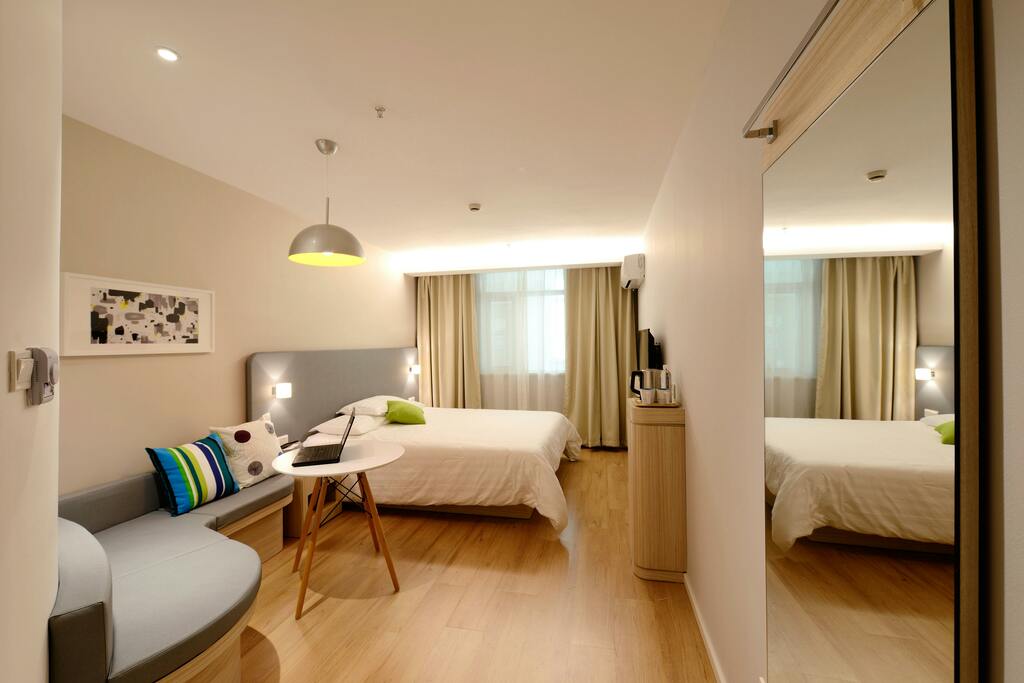
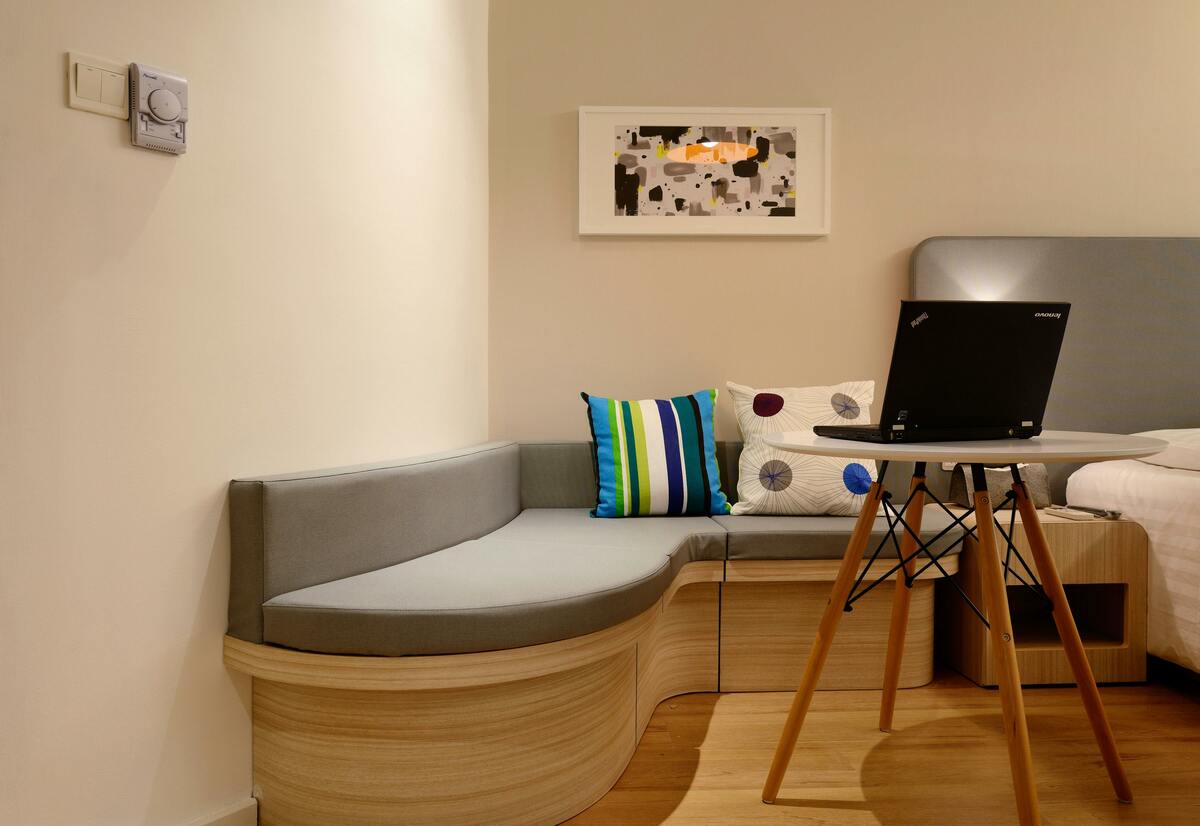
Single Room
Lorem ipsum dolor sit amet, consectetur adipisicing elit. Natus, dolores, at, nisi eligendi repellat voluptatem minima officia veritatis quasi animi porro laudantium dicta dolor voluptate non maiores ipsum reprehenderit odio fugiat reiciendis consectetur fuga pariatur libero accusantium quod minus odit debitis cumque quo adipisci vel vitae aliquid corrupti perferendis voluptates.
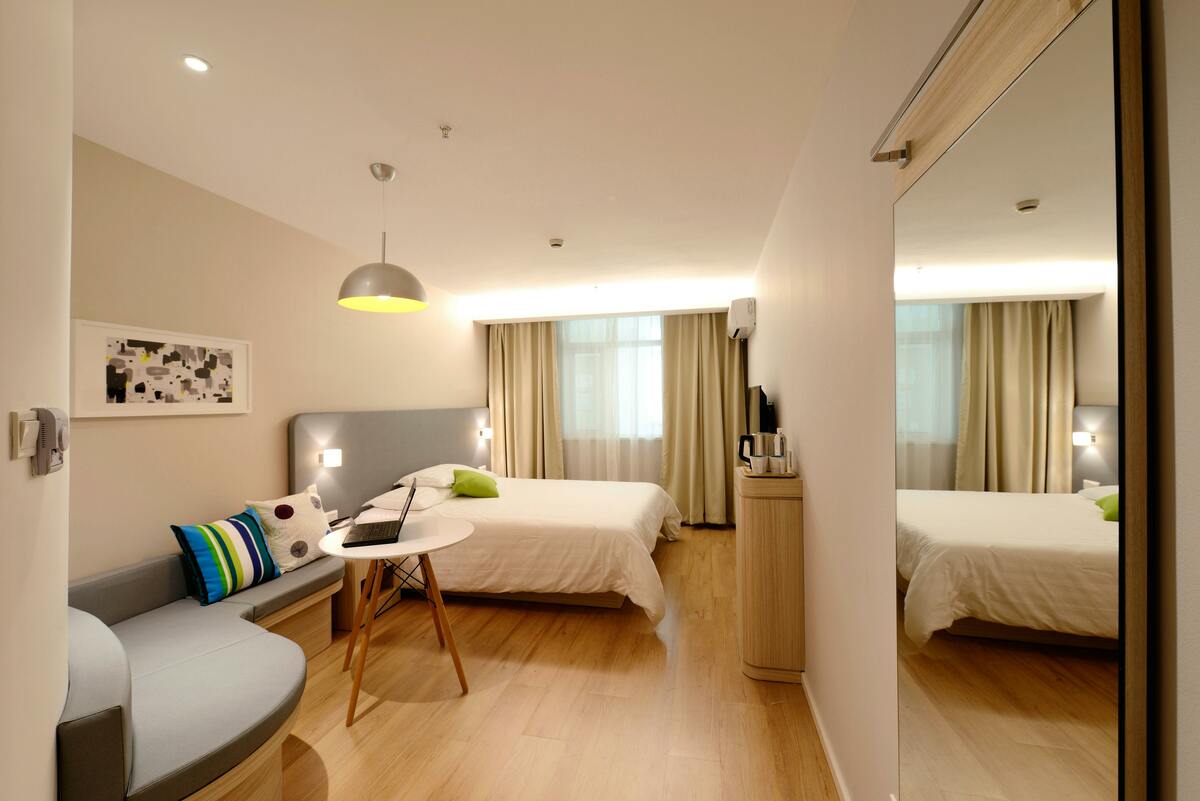
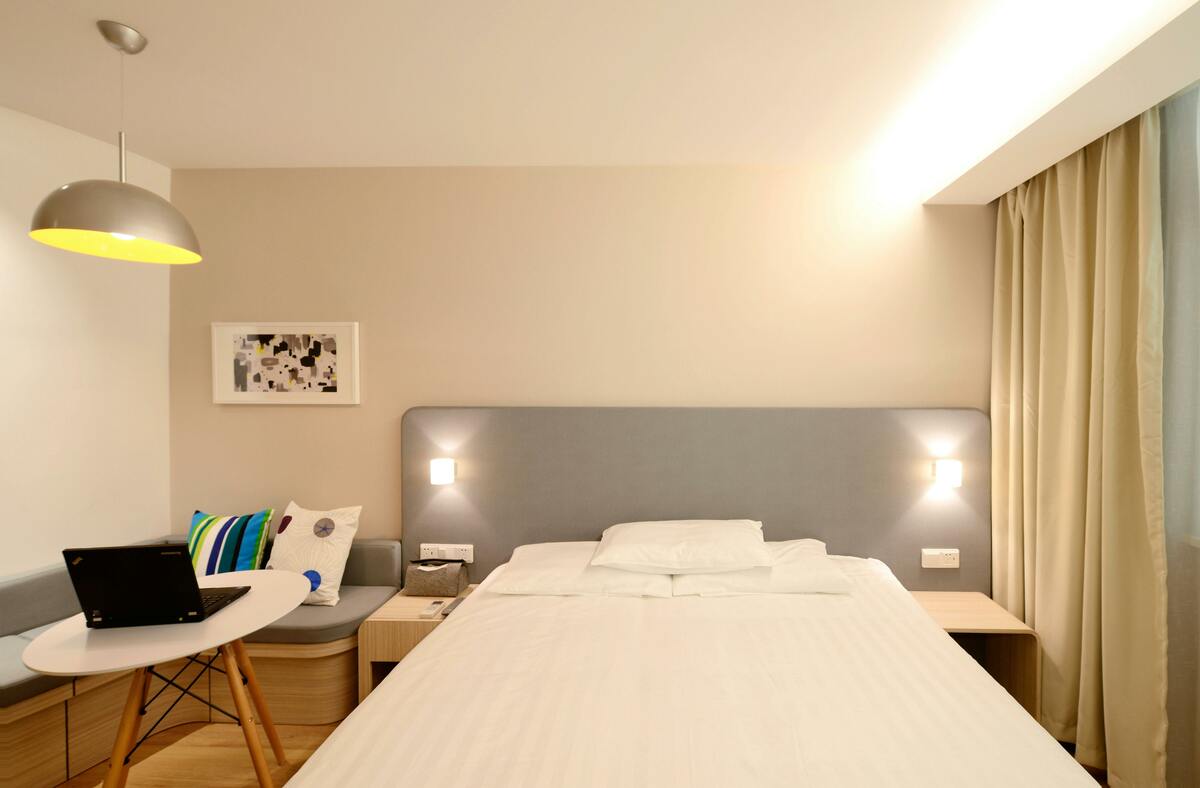
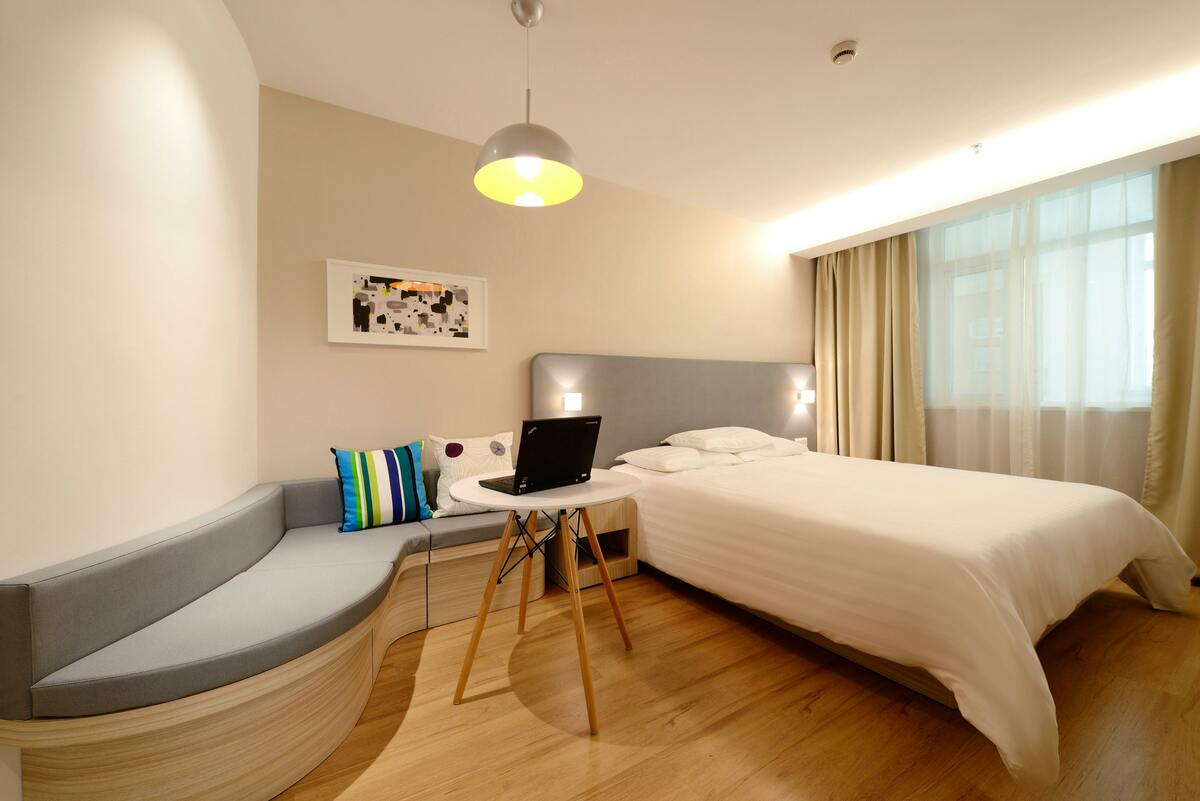
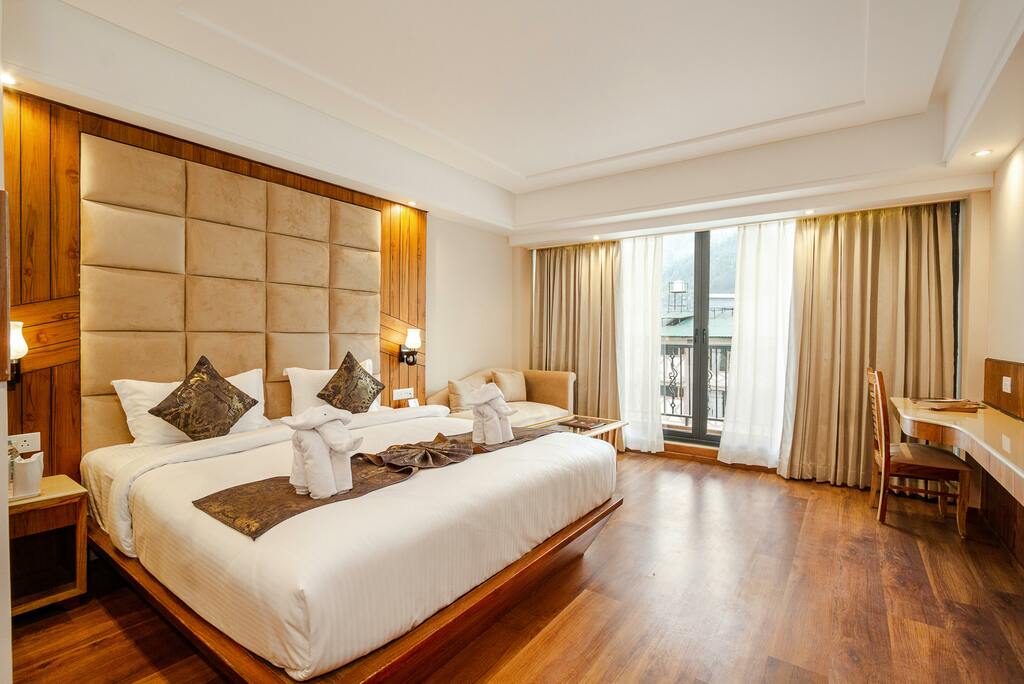
Double Room
Lorem ipsum dolor sit amet, consectetur adipisicing elit. Natus, dolores, at, nisi eligendi repellat voluptatem minima officia veritatis quasi animi porro laudantium dicta dolor voluptate non maiores ipsum reprehenderit odio fugiat reiciendis consectetur fuga pariatur libero accusantium quod minus odit debitis cumque quo adipisci vel vitae aliquid corrupti perferendis voluptates.
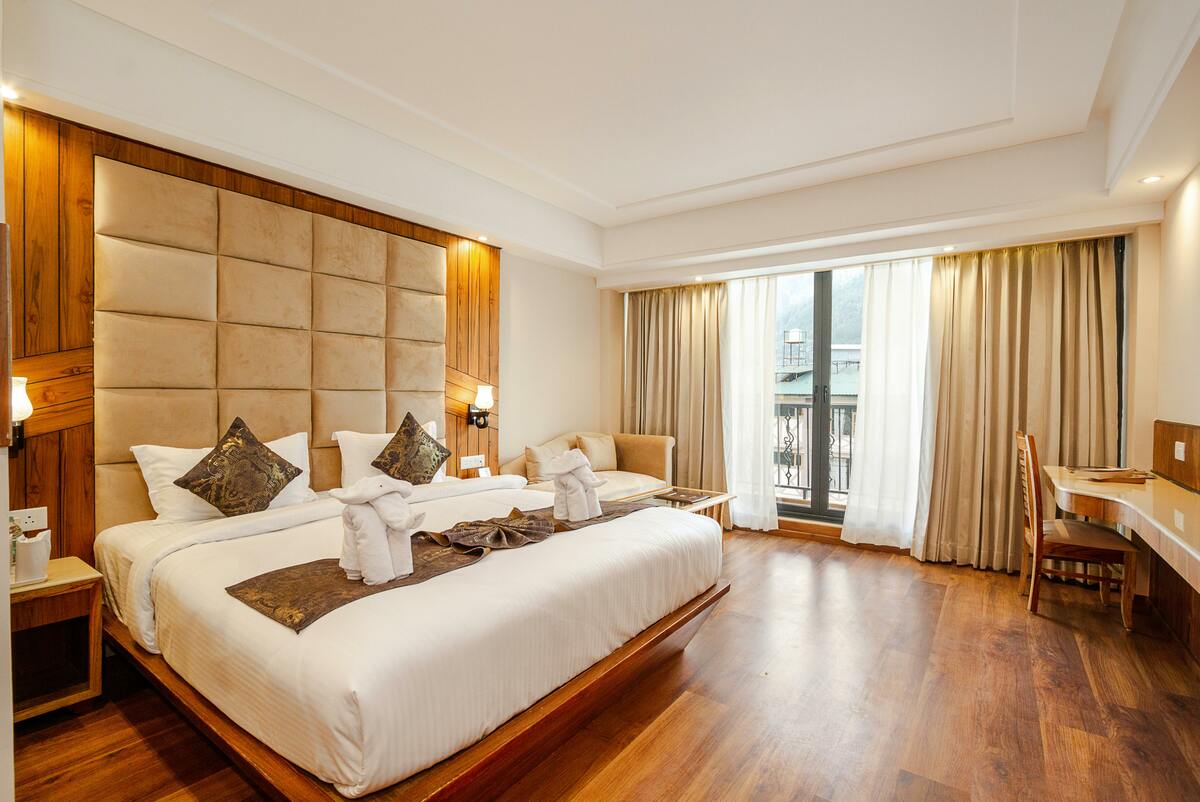

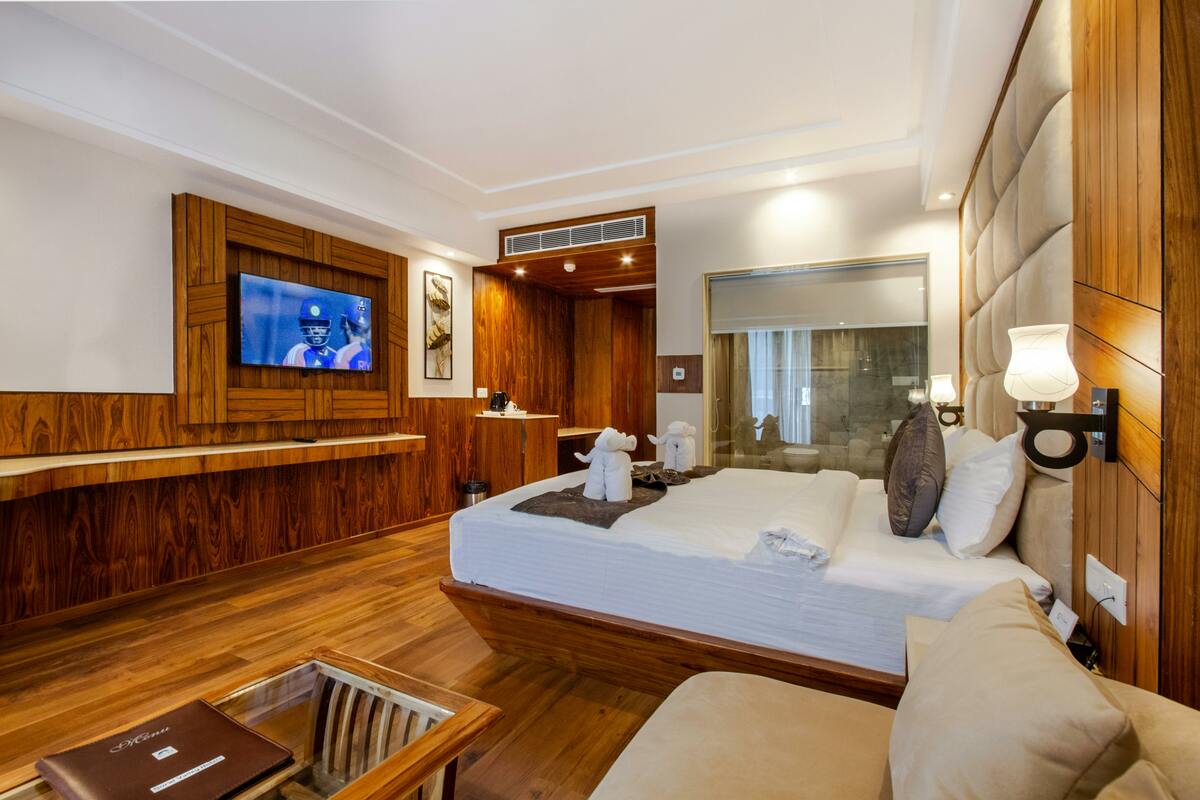
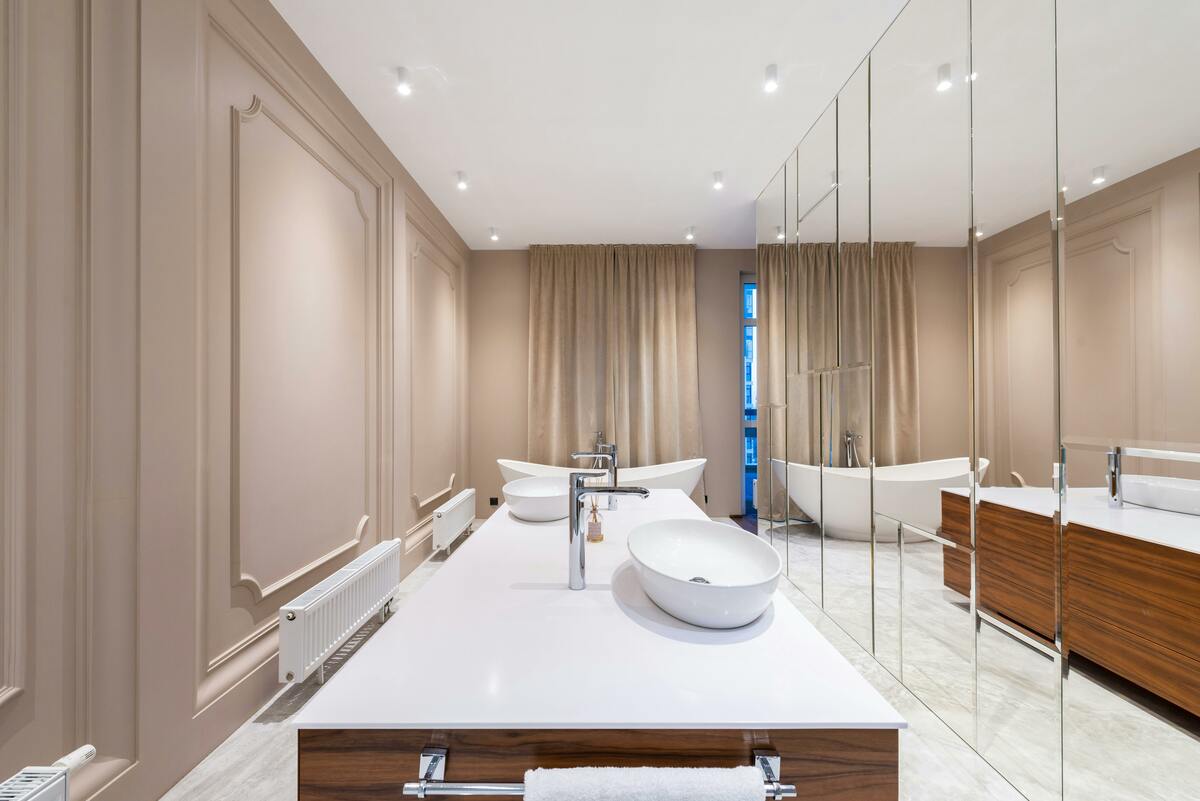
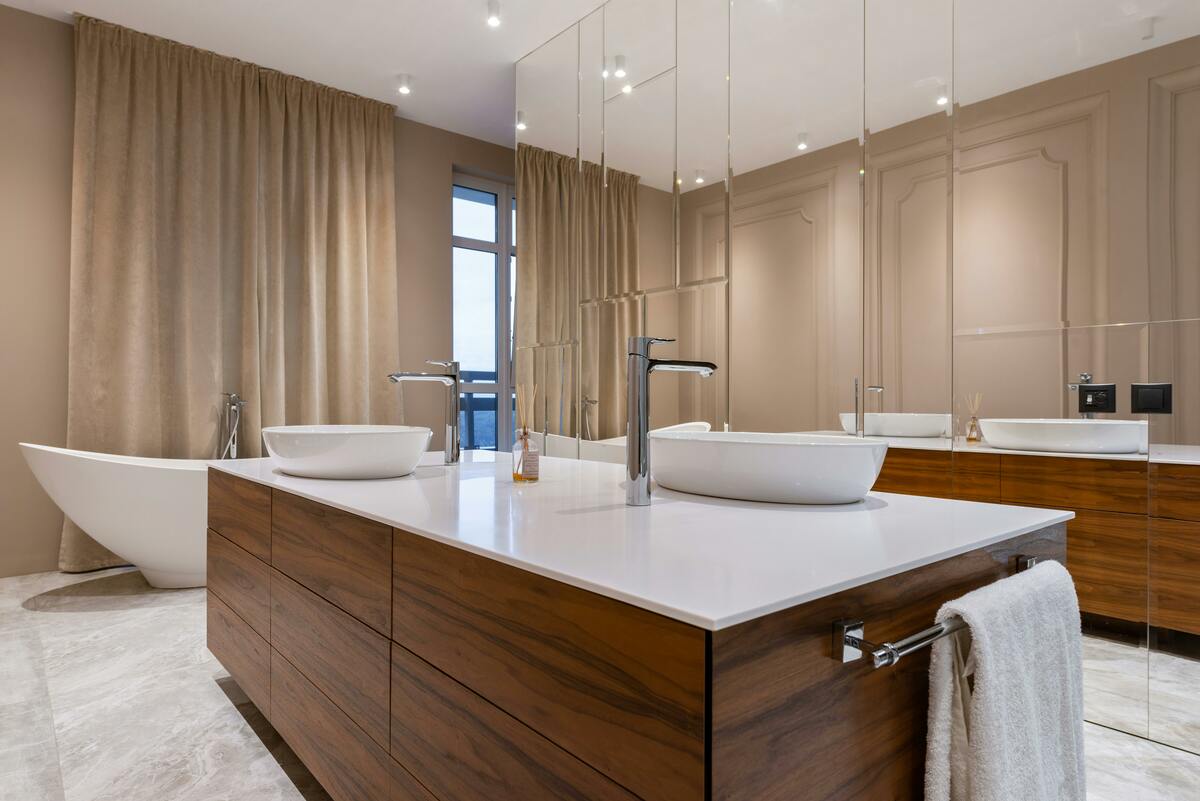

Family Room
Lorem ipsum dolor sit amet, consectetur adipisicing elit. Natus, dolores, at, nisi eligendi repellat voluptatem minima officia veritatis quasi animi porro laudantium dicta dolor voluptate non maiores ipsum reprehenderit odio fugiat reiciendis consectetur fuga pariatur libero accusantium quod minus odit debitis cumque quo adipisci vel vitae aliquid corrupti perferendis voluptates.

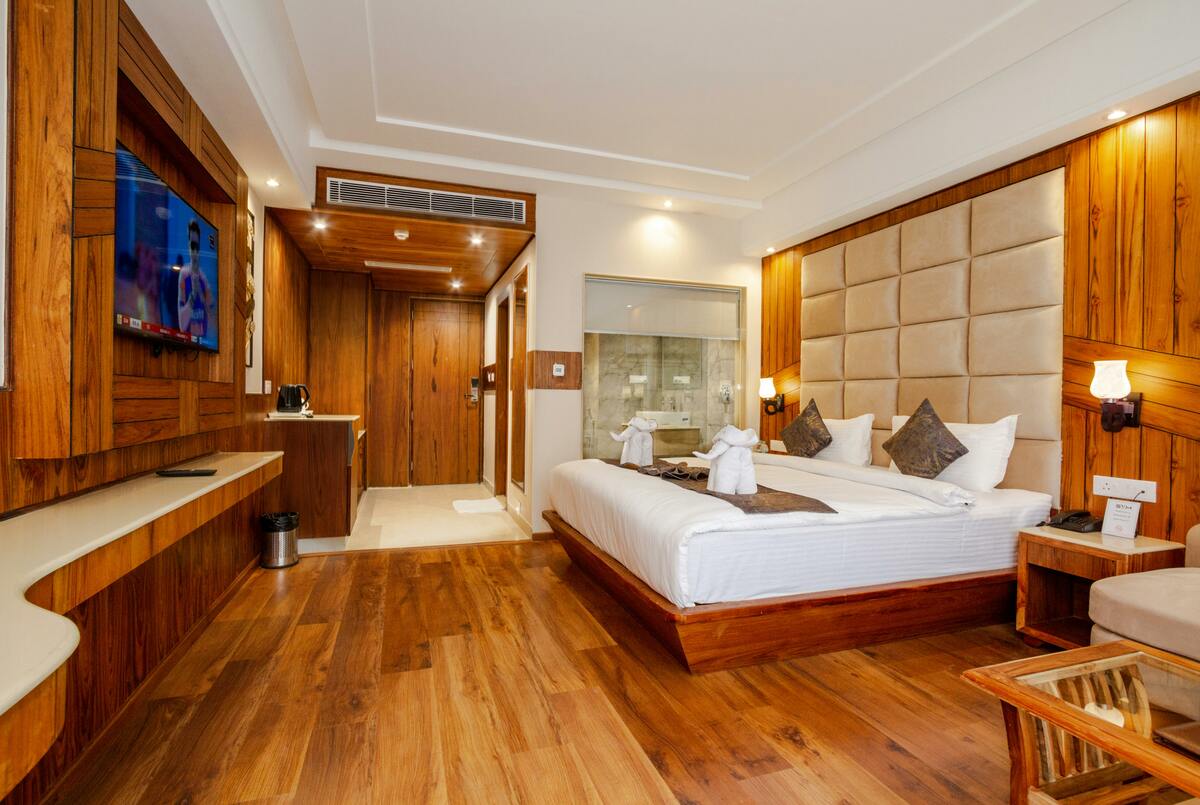
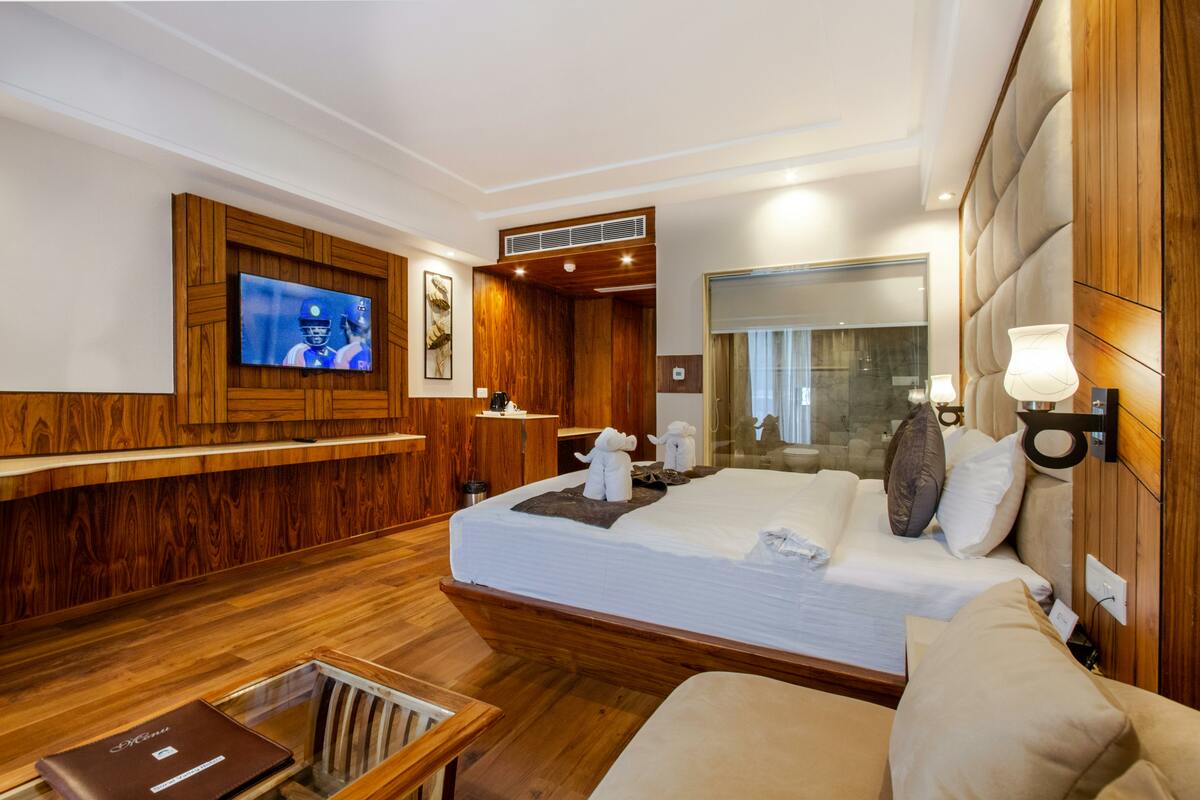

Monday
closed
Tuesday
09:00 - 18:30
Wednesday
09:00 - 18:30
Thursday
09:00 - 18:30
Friday
09:00 - 18:30
Saturday
09:00 - 18:30
Sunday
09:00 - 18:30
Aenean commodo ligula eget dolor. Lorem ipsum dolor sit amet, leget odiogil voluptatum similique fugit voluptates.
Lorem ipsum dolor sitope amet, consectetur adipisicing elitip. Massumenda, dolore, cum vel modi asperiores consequatur suscipit quidem ducimus eveniet iure expedita consecteture odiogil voluptatum similique fugit voluptates atem accusamus quae quas dolorem tenetur facere tempora maiores adipisci reiciendis accusantium voluptatibus id voluptate tempore dolor harum nisi amet! Nobis, eaque.
Aenean commodo ligula eget dolor. Lorem ipsum dolor sit amet, consectetuer adipiscing elit leget odiogil voluptatum similique fugit voluptates dolor. Libero assumenda, dolore, cum vel modi asperiores consequatur.

Aenean commodo ligula eget dolor. Lorem ipsum dolor sit amet, consectetuer adipiscing elit leget odiogil voluptatum similique fugit voluptates dolor. Libero assumenda, dolore, cum vel modi asperiores consequatur.
Lorem ipsum dolor sit amet, consectetuer adipiscing elit leget odiogil voluptatum similique fugit voluptates dolor.
| Opening Hours | |
|---|---|
| Monday | Closed |
| Tuesday | 10AM - 11PM |
| Wednesday | 10AM - 11PM |
| Thursday | 10AM - 11PM |
| Friday | 10AM - 11PM |
| Saturday | 10AM - 11PM |
| Sunday | 10AM - 11PM |